Sewing Scrapbook Junk Journal Kit: A Designer's Guide to Vintage Charm
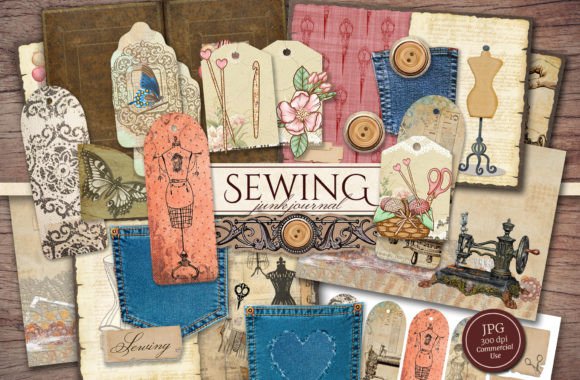
There's a certain magic in combining the tactile pleasure of paper crafting with the rich history of sewing. The Sewing Scrapbook Junk Journal Kit isn't just another set of digital sheets; it's a curated toolkit for building a narrative. For designers, marketers, and content creators, this kit offers a distinct visual language rooted in vintage fashion and handmade aesthetics. Its personality is nostalgic yet versatile, evoking the careful artistry of a tailor's notebook or a fashion designer's personal scrapbook. The style leans into detailed illustrations—think intricate buttons, classic sewing machines, and textured denim pockets—creating an authentic, layered look that feels both personal and professionally crafted.
Understanding the Kit's Visual DNA and Practical Components
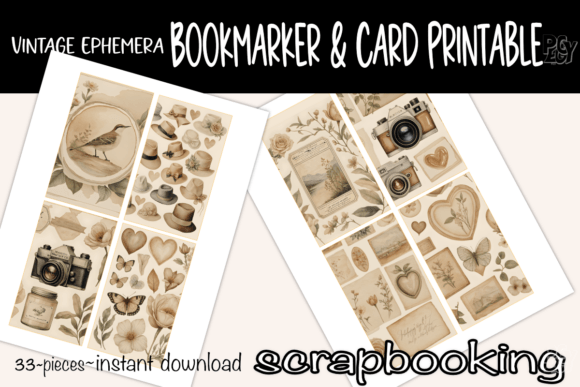
At its core, this kit is about building blocks. You receive 12 high-resolution A4 JPG sheets designed to fold into A5 pages, a format familiar to journal enthusiasts. But the real value for creative professionals lies in the components: a printable cover, versatile inside pages, ephemera like bookmarks and labels, and even a foldable pocket envelope. This isn't a static graphic; it's a system. The visual appeal comes from its mixed-media style. You'll find the warmth of a handwritten font style in the label designs, the elegance of a serif font influence in the fashion illustrations, and the casual texture of what feels like a creative font for the sewing-themed motifs. This blend makes it a powerful design asset for projects that need to convey craftsmanship, heritage, or a boutique feel.
Where This Aesthetic Truly Shines
So, where does a Sewing Scrapbook Junk Journal Kit fit into a professional workflow? Its strength is in projects where storytelling and texture are key. For brand identity, it's perfect for a bespoke tailor, a vintage clothing shop, a fabric store, or a craft blogger. Use the elements to create logo design concepts, business cards, or packaging that immediately communicates a handmade ethos. In editorial design, these pages can become the foundation for a lookbook, a magazine feature on sustainable fashion, or the background for a recipe book with a homey feel. For web design and social media graphics, the individual elements—like a single button illustration or a denim pocket—can be isolated and used as unique visual accents, adding depth to your digital presence without relying on generic stock imagery.
Strategic Implementation: Beyond the Obvious
Thinking of this kit as merely a scrapbook template would be a mistake. A savvy designer sees the potential in deconstruction. The included font pairings are implicit; the kit’s visual style naturally suggests combinations. Pair its illustrated labels with a clean sans serif font for modern contrast, or use its textured backgrounds with a classic serif font for a timeless feel. This approach influences visual hierarchy and readability. A busy, illustrated page might serve as a background for a bold headline, while a simpler ephemera piece could frame a call to action.
Consider the commercial font implications. The kit's licensing, especially the commercial option, allows for significant expansion. You can use these graphics on products like tote bags, mugs, or keychains—creating a cohesive line of merchandise. This is where the kit transitions from a personal project to a brand identity tool. However, respect the licensing boundaries. It's a professional resource, not a free-for-all stock library. Re-uploading the raw files to other sites or reselling them as-is undermines the very creative ecosystem you're leveraging.
Making It Work for Your Project
Before diving in, ask a few practical questions. Does your project's tone align with a vintage, tactile aesthetic? If you're designing for a cutting-edge tech startup, this might not be the right fit. But if your audience values authenticity, sustainability, or artisanship, it's a goldmine. Test the font pairing possibilities. Print a test page to check how the colors and details reproduce—what looks vibrant on screen might need adjustment for certain print stocks. Use the ephemera thoughtfully; a bookmark can become a unique sidebar in a brochure, and a pocket can hold a business card in a physical presentation folder.
Ultimately, the Sewing Scrapbook Junk Journal Kit is more than a product; it's a starting point for a deeper creative conversation. It provides the design assets to build a world, but the strategy, the modern typography choices, and the final application are where your expertise as a designer or marketer comes in. Use it to tell a story that feels handcrafted, intentional, and rich with detail.