Running Otterhound Dog Sublimation Art: A Rare Breed's Charm
Capturing the Majestic Otterhound in Watercolor
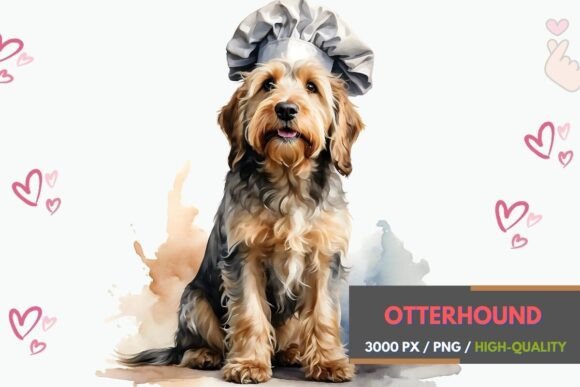
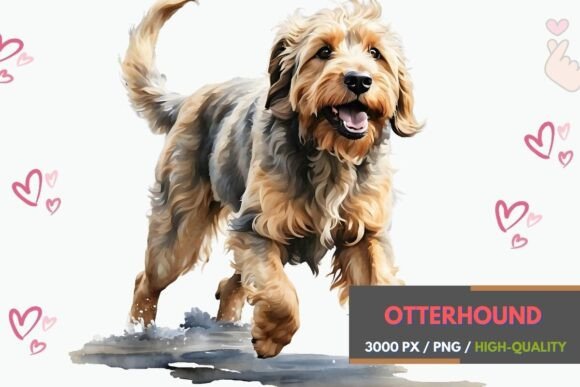
The Otterhound is a breed shrouded in a certain rugged elegance. As its name suggests, it was bred for otter hunting, a task requiring a dog with a powerful build, a keen nose, and a weather-resistant coat. This Running Otterhound Dog Sublimation Art captures that very essence. It’s not just a static portrait; it’s a dynamic illustration of a dog in motion, conveying the breed’s athleticism and spirited nature. The watercolor rendering style is particularly effective here. It softens the Otterhound’s formidable appearance, infusing the image with a sense of artistry and warmth that a standard photograph might miss. The loose, flowing brushstrokes suggest movement and energy, while the transparent background makes it an incredibly versatile design asset. This piece of creative font imagery, while not a typeface, functions with the same purpose: to inject personality and character into a project. It’s a visual statement, perfect for designers looking for something beyond the generic.
Practical Applications for This Unique Graphic
So, you have this beautiful PNG file. What can you actually do with it? The high-resolution (3000px) format and transparent background open up a world of possibilities for both personal and commercial projects. For crafters and hobbyists, this is the foundation for stunning sublimation prints on mugs, t-shirts, tote bags, and phone cases. Imagine a personalized gift for a dog lover, featuring their favorite rare breed rendered in a classic, artistic style. The image is ready to be used immediately, compatible with most graphic design software, which streamlines the creative process significantly.
Beyond personal crafts, this Running Otterhound Dog Sublimation Art has a place in more professional contexts. For small business owners, particularly those in the pet industry, it can be a cornerstone of a unique brand identity. A boutique dog groomer, a specialty pet food brand, or a dog walking service could use this illustration on their website, in social media graphics, or even in packaging design. It communicates a love for dogs and an appreciation for quality and artistry. It’s a far more memorable and engaging visual than a standard stock photo. For publishers and content creators, it can elevate a blog post, a magazine article, or a book cover about dog breeds, adding a layer of visual sophistication that grabs a reader's attention.
Integrating the Art into Your Design Workflow
When incorporating a strong visual element like this Otterhound illustration, it’s crucial to think about how it interacts with other design assets, especially typography. A good font pairing can make or break the final composition. Given the image’s classic, slightly rustic, and artistic feel, you’ll want to choose a typeface that complements it without competing for attention. A sturdy serif font with a bit of character could work well for headlines, evoking a sense of tradition and reliability. For body text, a clean and highly legible sans serif font would provide a modern contrast and ensure readability. Avoid overly ornate script fonts or trendy display fonts that might clash with the watercolor style.
Think about the principles of modern typography. Your goal is to create a clear visual hierarchy. The Otterhound image will likely be the hero element, so the text should support it. Use the illustration to draw the eye, and then guide the reader through your message with well-chosen, properly sized, and spaced text. This approach ensures your logo design, poster, or digital ad feels cohesive and professional. Whether you're a seasoned designer or a small business owner managing your own marketing, taking a moment to evaluate the project's fit and test your font pairing will pay off. It’s this attention to detail that elevates a project from amateur to polished, strengthening your brand identity and improving audience engagement. This isn't just a picture of a dog; it's a tool for better, more expressive design.